Travel booking has changed dramatically over the last few years.
Earlier, travellers would visit a travel agency, speak with an agent, compare different packages and then make a booking.
Then came travel websites.
Customers could search for destinations, compare hotels and tours, submit enquiries and make bookings online.
Now, another major change is happening.
Artificial Intelligence is moving from simply answering questions to actually helping users complete tasks.
This is where Agentic AI comes in.
Instead of asking a chatbot:
“What are the best places to visit in Namibia?”
a traveller could say:
“Plan a 5-day Namibia safari for two people under €2,500, with wildlife and photography experiences.”
An AI agent could understand those requirements, search available options, compare suitable tours and guide the traveller towards booking.
This could become one of the biggest changes in travel technology over the coming years.
What Is Agentic AI in Travel?
Traditional AI chatbots are mainly designed to provide information.
For example:
Traveller:
“What is the best time to visit Namibia?”
AI:
“May to October is generally considered a popular period for wildlife viewing.”
That's useful.
But the traveller still needs to search for tours, compare prices, check availability and contact the travel company.
An Agentic AI system is designed to go further.
It can understand a goal, break it into multiple steps, use available data and tools, and help complete the task.
For a travel business, this could mean:
Customer requirement → AI understands → Searches tours → Compares options → Recommends package → Customer approves → Booking process
This is very different from simply adding a chatbot to a website.
How AI Travel Booking Could Work
Let's imagine a traveller visiting a Namibia tour operator's website.
They type:
“I want a 5-day luxury Namibia safari for two people in September. Our budget is €2,500 and we are interested in wildlife photography.”
Instead of making the customer browse every tour page, an AI travel agent could start by understanding the request.
1. Understand the Traveller
The AI identifies:
- Destination
- Travel dates
- Number of travellers
- Budget
- Activities
- Accommodation preference
- Travel style
If something important is missing, it can ask a follow-up question.
For example:
“Would you prefer a private safari or a small group experience?”
This creates a more natural booking experience.
2. Search Available Tours
Once the requirements are clear, the AI can search the company's tour database.
It could look at:
- Tour duration
- Availability
- Accommodation
- Activities
- Transportation
- Package inclusions
- Pricing
- Destination coverage
The customer doesn't need to manually open multiple pages.
3. Compare Suitable Packages
The AI can compare the most relevant options.
For example:
5-Day Classic Safari
€2,100
Wildlife-focused
Mid-range accommodation
5-Day Luxury Safari
€2,450
Wildlife + photography
Luxury accommodation
6-Day Private Safari
€2,700
Private experience
Above the customer's budget
The AI can explain the difference and recommend the most suitable option.
4. Personalised Recommendation
The AI doesn't have to recommend the cheapest package.
Instead, it can consider the customer's priorities.
For example:
“Based on your interest in wildlife photography and your €2,500 budget, the 5-Day Luxury Safari is the closest match. It includes wildlife-focused activities and stays within your stated budget.”
This makes the website feel more like a personal travel consultant.
5. Customer Approval
The AI should keep the traveller in control.
Before moving forward, it can show:
Recommended Trip
5-Day Namibia Safari
2 Travellers
September 12–16
Total: €2,450
Includes:
- Accommodation
- Transfers
- Selected activities
- Safari experience
Then the customer can choose:
Proceed with Booking or Talk to a Travel Expert
This combination of AI and human support can be especially useful for international travel companies.
6. Booking and Payment
Once the customer approves the package, the system can move them into the booking process.
Depending on the travel company's technology stack, this could include:
- Traveller information
- Special requests
- Availability confirmation
- Payment
- Booking confirmation
- Email confirmation
- WhatsApp notification
The objective is to reduce unnecessary steps between customer interest and booking.
Why Is Agentic AI Important for Travel Companies?
The biggest opportunity isn't simply putting AI on a travel website.
The bigger opportunity is reducing friction in the customer journey.
Traditional process:
Website → Browse Tours → Send Enquiry → Wait for Reply → Receive Quote → Ask Questions → Compare → Book
AI-assisted process:
Describe Your Trip → AI Understands → Personalised Options → Customer Approves → Booking
This can potentially make the experience faster and more convenient for both travellers and travel companies.
Agentic AI Can Also Improve Travel Sales
AI doesn't have to work only on the customer-facing side.
It can also support the sales team.
Imagine receiving a new enquiry:
“Hi, I'm planning a Namibia trip with my wife in September. We have five days and our budget is around €2,500. We are mainly interested in wildlife.”
Instead of giving the sales person just a message, an AI-powered CRM could structure the enquiry:
Lead Summary
- Destination: Namibia
- Travellers: 2
- Duration: 5 days
- Month: September
- Budget: €2,500
- Interest: Wildlife
- Lead Type: Couple
- Suggested Package: Luxury Safari
The sales person can then start the conversation with useful information already available.
This can save time and improve lead management.
Will AI Replace Travel Agents?
Probably not completely.
Travel is a high-trust industry.
People may be comfortable asking AI for recommendations, but when they are spending thousands of euros on an international holiday, they may still want to speak with a real travel expert.
That's why the more realistic future is:
AI + Human Travel Expert
AI can handle:
- Initial questions
- Tour discovery
- Package comparison
- Basic recommendations
- Lead qualification
- Follow-ups
- Repetitive tasks
Human experts can handle:
- Complex itineraries
- Special requests
- High-value customers
- Last-minute changes
- Exceptional situations
- Personal consultation
The goal isn't necessarily to remove humans.
It's to allow humans to focus on the conversations where their expertise matters most.
Why Travel Websites Need Better Data
Agentic AI depends heavily on the information available to it.
If a travel company's website contains outdated prices, incomplete itineraries or unclear policies, AI cannot provide reliable recommendations.
This means travel businesses need to maintain accurate and structured information about:
- Tours
- Destinations
- Prices
- Availability
- Hotels
- Activities
- Inclusions
- Exclusions
- Cancellation policies
- FAQs
- Reviews
The quality of the underlying data may become just as important as the AI technology itself.
SEO Is Also Changing
Travel companies traditionally focused heavily on Google Search. That is still important.
But travellers are increasingly using AI platforms to research destinations, compare ideas and plan trips.
This means travel businesses should think beyond traditional SEO.
Their content should also be structured so that search engines and AI systems can understand:
- Who the company is
- What destinations it serves
- What tours it offers
- Who those tours are suitable for
- What is included
- What makes the company different
- Where it operates
- What customers say about it
This is where SEO, AEO and GEO become increasingly important for travel businesses. Read more about how to optimize your website for AI engines in our AI Search Optimization (AEO/GEO) Guide.
A travel website should not simply be designed for humans to browse.
It should also make its information easy for modern search and AI systems to understand.
What Should a Modern Travel Website Include?
A future-ready travel website could include:
Website & UX
- Mobile-first design
- Fast page speed
- Conversion-focused landing pages
- Clear enquiry and booking CTAs
- WhatsApp integration
Tour Management
- Tour packages
- Detailed itineraries
- Destination pages
- Pricing
- Availability
- Gallery
- Reviews
- FAQs
Lead Generation
- Enquiry forms
- Quote requests
- WhatsApp enquiries
- CRM integration
- Automated follow-ups
SEO & AI Search
- Technical SEO
- Structured content
- Schema markup
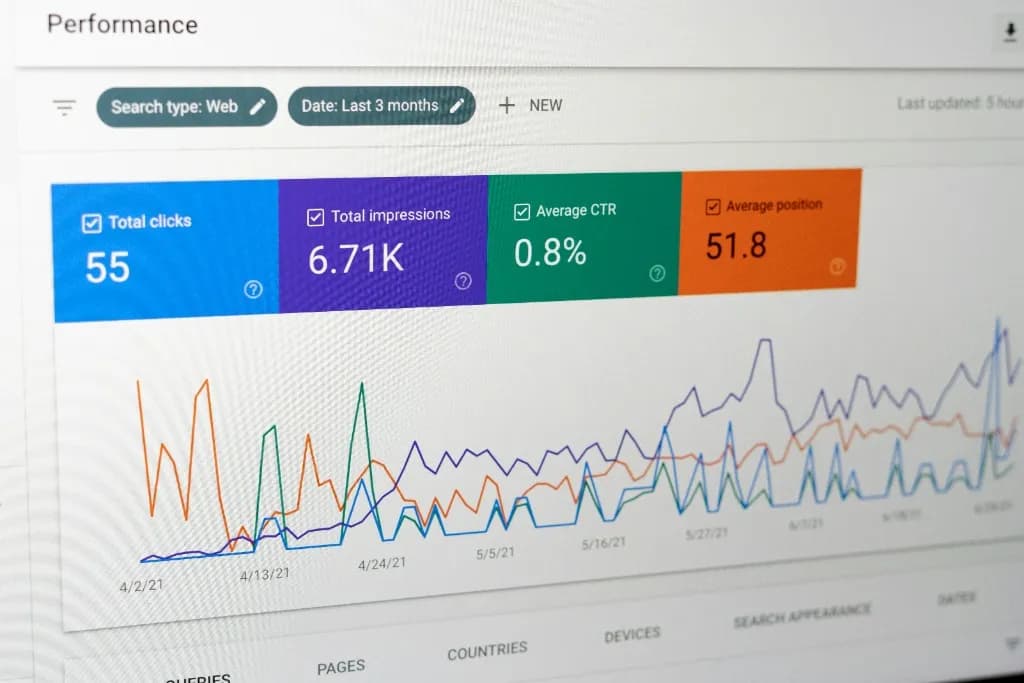
- Google Search Console
- Sitemap
- Internal linking
- AI Search optimisation
- AEO/GEO-ready content
AI Capabilities
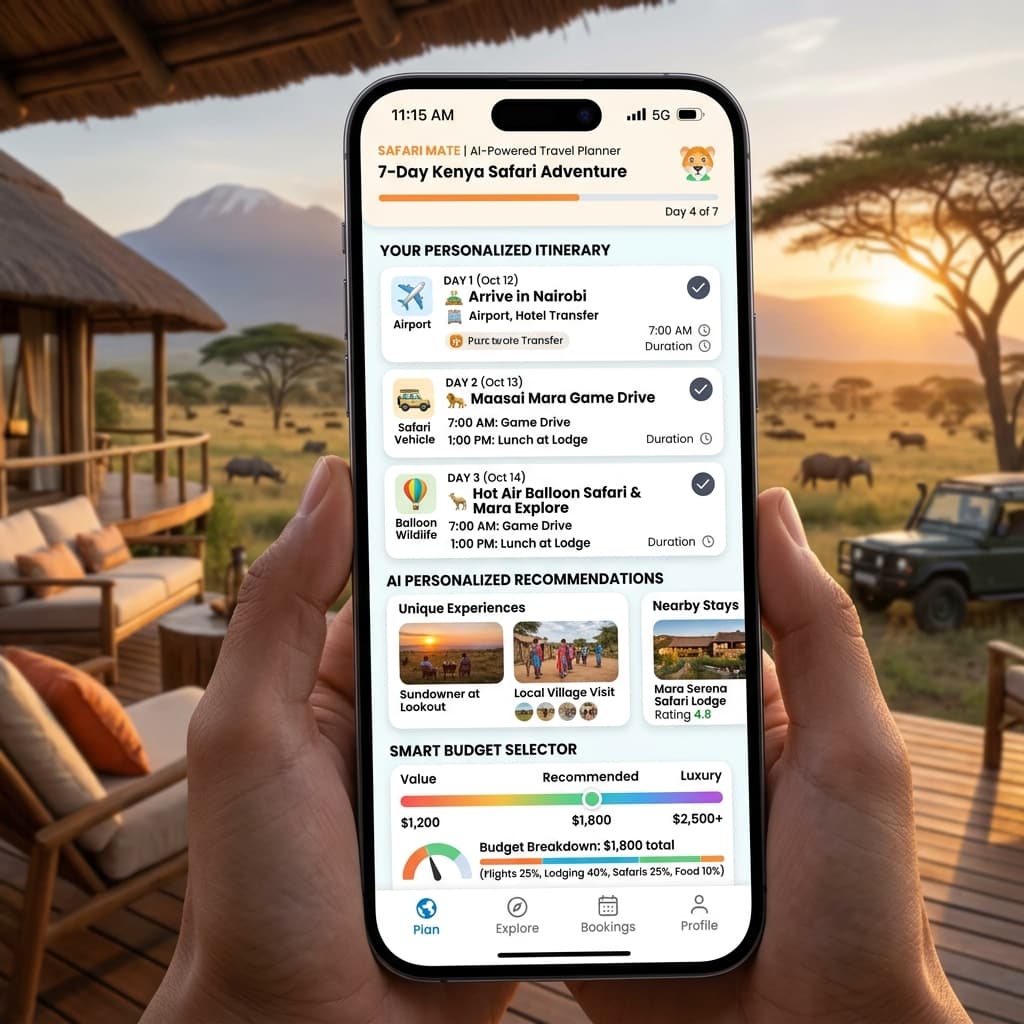
- AI Trip Planner
- AI Travel Assistant
- Personalised tour recommendations
- AI lead qualification
- Automated enquiry summaries
- Future-ready booking architecture
Analytics
- Google Analytics
- Search Console
- Conversion tracking
- Form tracking
- WhatsApp click tracking
- Tour performance tracking
The Future of Travel Booking
The travel website of the future may look very different from the websites we use today.
Instead of asking customers to search through dozens of packages, the website may simply ask:
“Where do you want to go, when are you travelling and what kind of experience are you looking for?”
The AI can then do much of the initial research and recommendation work.
The customer could move from:
Search → Browse → Enquire → Wait → Compare → Book
to:
Tell AI What You Want → AI Understands → AI Recommends → Customer Approves → Book
This doesn't mean every travel company needs a fully autonomous AI booking system today.
But travel companies should start preparing their websites, content, tour data and backend systems for this direction. For agencies looking to build high-performance booking engines, check out our Travel Website Development Services.
The biggest change may not be that travel websites are getting smarter.
It may be that travel booking itself is becoming conversational and personalised.
The future traveller may not search for a tour.
They may simply tell an AI:
“This is the kind of trip I want. Find the best option for me.”
And the travel companies that are ready for that change could have a significant advantage.
Frequently Asked Questions
What is Agentic AI in travel?
Agentic AI refers to AI systems that can understand a traveller's goal, perform multiple tasks, evaluate options and help the user move towards completing a travel booking.
How is Agentic AI different from a chatbot?
A traditional chatbot mainly answers questions. Agentic AI can potentially take multiple actions, such as searching tour inventory, comparing packages, qualifying enquiries and guiding users through a booking workflow.
Can Agentic AI book a holiday?
Agentic AI can be integrated with travel booking systems to assist with booking workflows. Depending on the system, it may search availability, recommend options and take the customer through payment after receiving approval.
Will AI replace travel agents?
AI is more likely to support travel professionals than completely replace them. Human expertise remains valuable for complex itineraries, special requests and high-value travel.
Why should travel companies prepare for AI?
Travellers are increasingly using AI and conversational search to discover and research travel options. Having structured, accurate and useful travel information can help businesses prepare for this changing discovery process.
Is SEO still important for travel websites?
Yes. Traditional search engines remain important, while travel businesses should also consider AI Search, Answer Engine Optimization (AEO) and Generative Engine Optimization (GEO).
Final Thought
The next generation of travel websites won't just help people find tours. They'll help people decide what trip they should take.
And that's where Agentic AI could make a major difference in the travel industry.
Recommended Services & Solutions

Digital marketing strategist and Next.js web developer focusing on search optimization and conversion rate growth.