Why Every Tour Operator Needs a Dynamic Website in 2026
Running a tour business today is about more than offering great travel experiences. Travellers want to explore destinations, compare packages, understand itineraries, and contact a trusted tour operator before making a decision.
Your website is often the first place where that decision begins.
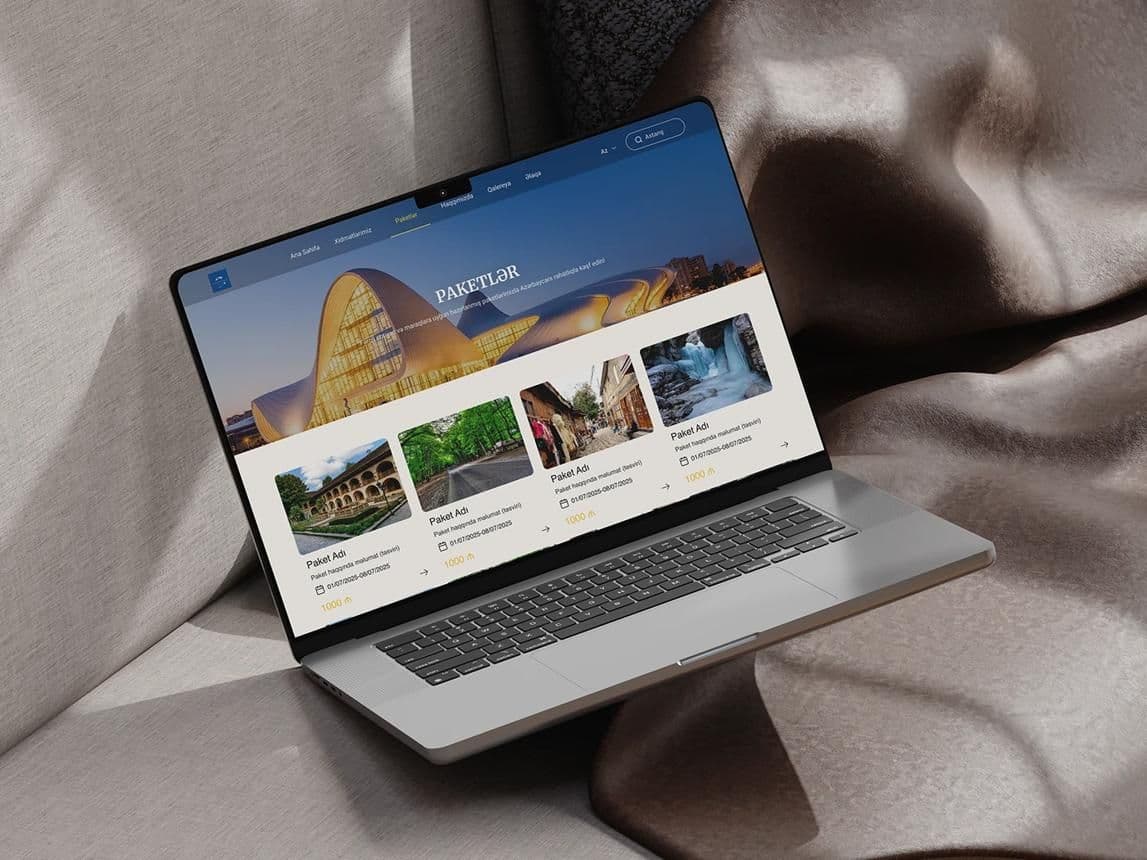
A basic website may show your company name, a few images, and a contact number. But a dynamic tour operator website can do much more. It can help you manage packages, publish destinations, update content, collect enquiries, and create a better experience for potential customers.
In 2026, having a modern, SEO-ready website is becoming an important part of building a strong travel business online.
What Is a Dynamic Tour Operator Website?
A dynamic website is more than a collection of static pages. It allows business owners to manage and update website content through a connected system, often called a CMS or admin panel.
For a tour operator, this can include:
- Tour packages
- Destinations
- Day-by-day itineraries
- Package pricing
- Inclusions and exclusions
- Gallery images
- Travel blogs
- Customer enquiries
- Website settings
Instead of depending on a developer for every small update, your team can manage important business information more efficiently.
For example, if you add a new 7-day safari package, you should be able to create the package, upload images, add the itinerary, and publish it on your website without rebuilding the entire site.
1. Your Website Becomes Your Digital Storefront
Travellers may discover your business through Google, social media, referrals, or travel platforms. But when they want to learn more about your company, they often visit your website.
A professional website helps you present:
- Who you are
- Where you operate
- What experiences you offer
- Why travellers should choose you
- How they can contact you
A well-designed website creates a stronger first impression than relying only on social media profiles or third-party listings.
Your website should make a traveller feel:
“This company understands travel, looks professional, and can help me plan my trip.”
2. Manage Tour Packages Without Depending on a Developer
One of the biggest advantages of a dynamic website is easier content management.
A tour operator may need to update packages regularly because of:
- Seasonal pricing
- New destinations
- Hotel changes
- Updated itineraries
- Special offers
- New travel experiences
- Availability changes
With a suitable admin panel, these updates can be managed from one place.
What Can You Manage From an Admin Panel?
- Add new tour packages
- Edit package descriptions
- Update pricing and duration
- Upload images
- Manage destinations
- Publish or unpublish packages
- Update itineraries
- Manage customer enquiries
- Publish travel blogs
This makes it easier to keep your website updated and useful for travellers.
3. Showcase Every Destination and Experience Properly
A single “Our Tours” page may not be enough to explain everything your business offers.
A dynamic website can create dedicated pages for:
- Destinations
- Adventure tours
- Wildlife safaris
- Cultural experiences
- Family holidays
- Honeymoon packages
- Group tours
- Custom itineraries
Each page can include relevant images, descriptions, itineraries, FAQs, and enquiry options.
This is valuable for both user experience and SEO because travellers often search for specific destinations or experiences rather than a company name.
For example, a traveller may search:
“7 day Namibia safari package”
A dedicated, well-structured package page gives your business a better opportunity to appear for that specific search than a generic homepage alone.
4. Help Travellers Make Decisions With Detailed Package Pages
Travellers usually have many questions before contacting a tour operator.
A strong package page should answer questions such as:
- What is included?
- How many days is the tour?
- What destinations are covered?
- What type of accommodation is available?
- Is transport included?
- What is the best time to travel?
- Is the package suitable for families or groups?
- What is the approximate cost?
- How can I request a customized itinerary?
The more clearly your website answers these questions, the easier it becomes for visitors to understand your offering.
A Good Package Page Can Include
- Destination overview
- Tour duration
- Day-by-day itinerary
- Package highlights
- Inclusions and exclusions
- Accommodation details
- Gallery images
- Frequently asked questions
- Request-a-quote form
- WhatsApp enquiry button
5. Build a Website That Supports Direct Enquiries
Many travellers discover a tour through Google or social media, then visit the operator's website before contacting them.
Your website should make that next step easy.
Useful enquiry features include:
- WhatsApp integration
- Contact forms
- Request-a-quote forms
- Callback requests
- Package-specific enquiry buttons
- Clear phone and email details
- Custom itinerary requests
For example, instead of a generic “Contact Us” button, a package page can include:
Interested in this tour?
Request a customized itinerary or speak with our travel team.
A website cannot guarantee bookings, but it can make it easier for interested visitors to take the next step.
6. SEO Starts With the Website Structure
Search engine optimization is not something that should be added only after a website is completed.
The website structure itself affects how search engines understand your business.
A tour operator website should ideally have:
- Clear page titles and meta descriptions
- Indexable destination and package pages
- Descriptive URLs
- Internal links between related pages
- XML sitemap
- Mobile-friendly design
- Fast-loading pages
- Structured content
- Useful destination guides
- Clear business information
For example, a website with separate pages for Namibia Safari Packages, Namibia Destinations, and Custom Safari Tours can provide a clearer structure than placing everything on one long page.
SEO does not mean adding keywords everywhere. It means creating useful pages that answer what travellers are actually searching for.
7. Prepare Your Business for AI-Powered Search
Travellers are increasingly using search engines and AI tools to research destinations, compare experiences, and plan trips.
A traveller might ask:
“What is the best time to visit Namibia for a wildlife safari?”
Or:
“Which tour operator offers a family-friendly safari with a customized itinerary?”
This makes helpful, specific, and well-structured content more important.
Your website should clearly explain:
- Your destinations
- Your travel experiences
- Your expertise
- Your package details
- Your service areas
- Frequently asked questions
AI search visibility is not guaranteed by simply adding an “AI” feature. It starts with having useful content that search systems can understand and travellers can trust.
8. A Modern Website Should Work on Every Device
Many travellers research tours using their smartphones.
A website that looks good on desktop but is difficult to use on mobile can create unnecessary friction.
A modern tour operator website should provide:
- Responsive design
- Easy mobile navigation
- Readable package details
- Optimized images
- Fast page loading
- Clear enquiry buttons
- Mobile-friendly forms
Whether a traveller is browsing from a phone in Europe, a laptop in the United States, or a tablet in Africa, the website should provide a consistent experience.
9. Why Modern Technology Matters
The technology behind a website affects how easily it can be maintained, improved, and expanded.
Modern frameworks such as React and Next.js can provide a strong foundation for building responsive, scalable, and SEO-friendly websites when implemented correctly.
For a tour operator, the important benefits are not the technology names alone. They are:
- Better performance
- Flexible page structures
- Reusable components
- Easier future improvements
- Scalable content architecture
- Modern user experience
- Strong technical foundation for SEO
The goal is not to use technology just because it is new. The goal is to use the right technology to build a website that supports the business.
10. Your Website Can Grow With Your Business
A tour business may start with a few packages and later expand into multiple destinations, travel styles, and services.
A dynamic website makes it easier to build on the same foundation.
You may later add:
- More destinations
- New package categories
- Seasonal offers
- Travel blogs
- Customer reviews
- Booking integrations
- Payment gateways
- Multilingual content
- CRM integration
- Analytics and conversion tracking
This is why choosing a scalable website structure is important from the beginning.
What Should a Modern Tour Operator Website Include?
| Feature | Why It Matters |
|---|---|
| Dynamic package management | Update tours and pricing efficiently |
| Destination pages | Showcase locations and improve search visibility |
| Detailed itineraries | Help travellers understand the experience |
| CMS / Admin panel | Manage content without changing code |
| SEO-ready structure | Help search engines understand your pages |
| WhatsApp integration | Make enquiries easier |
| Responsive design | Provide a better mobile experience |
| Blog management | Publish useful travel content |
| Enquiry management | Organize customer requests |
| Analytics integration | Understand visitor behaviour and conversions |
Final Thoughts
A modern tour operator website is more than an online brochure. It can become a central platform for showcasing experiences, managing packages, publishing content, and connecting with potential travellers.
If you run a tour company, travel agency, safari business, or destination management company, investing in a custom dynamic website can help you build a stronger digital presence and prepare your business for future growth.
The right website should not only look professional. It should also be easy to manage, useful for travellers, and built with SEO and business goals in mind.
Looking for a Custom Tour Operator Website?
At Joy Digital, we build modern, responsive, and SEO-ready websites for tour operators and travel businesses worldwide.
Our custom website solutions can include:
- Dynamic tour packages
- Destination management
- Itinerary pages
- CMS / Admin panel
- Enquiry management
- WhatsApp integration
- SEO-friendly website structure
- Modern React + Next.js development
- Responsive design
- Custom business features
Want to build a professional website for your tour business?
Recommended Services & Solutions
Digital marketing strategist and Next.js web developer focusing on search optimization and conversion rate growth.