
The travel landscape has reached an inflection point in 2026. Travellers no longer walk into high-street storefronts to book holidays, nor do they mindlessly trust generic aggregators. Today’s modern traveller researches destinations on TikTok and Instagram, cross-examines travel itineraries using Google and AI search tools (like Perplexity and SearchGPT), and seeks genuine, personalized local expertise before parting with their money.
Yet, hundreds of tour operators and travel agencies remain trapped in a devastating economic cycle: surrendering 18% to 28% of their gross revenue to Online Travel Agencies (OTAs) such as Booking.com, Viator, Expedia, and MakeMyTrip.
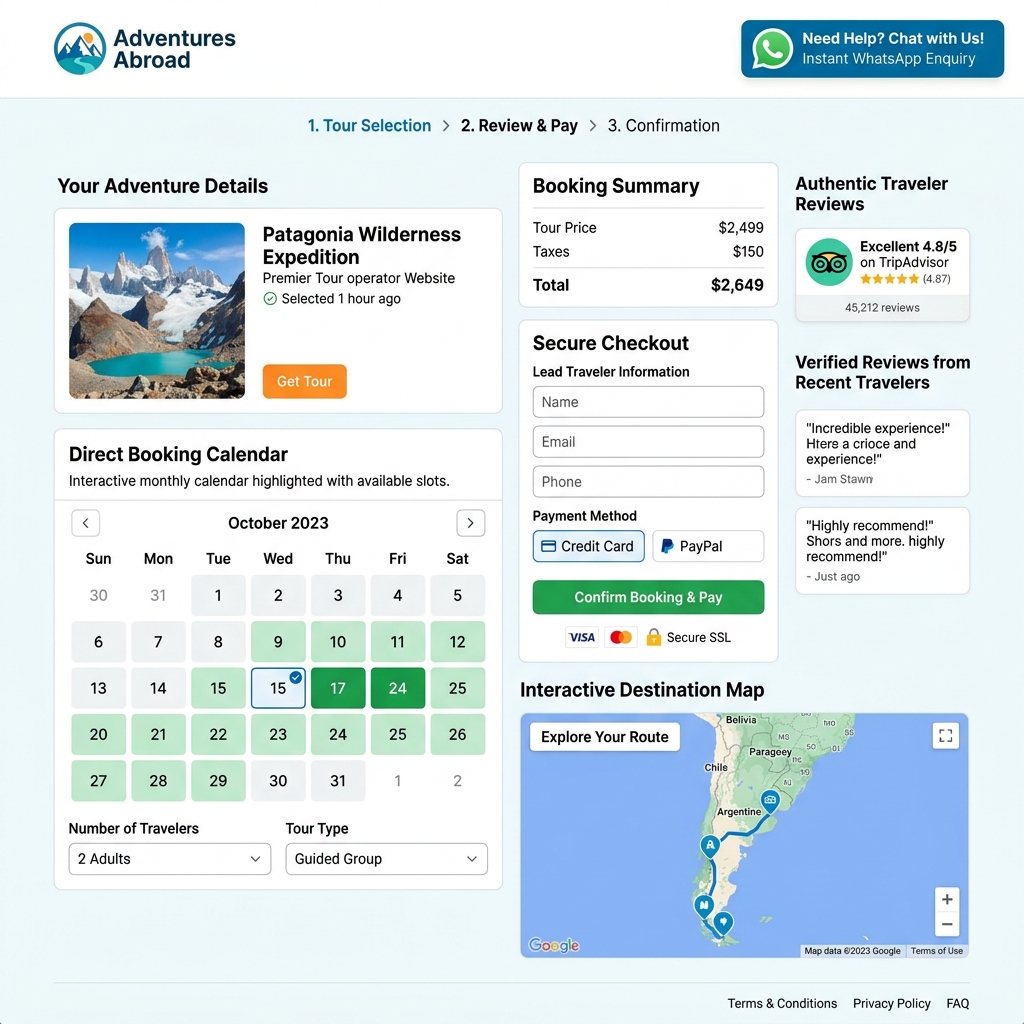
When you rely entirely on third-party aggregators:
- You sacrifice your healthiest profit margins to commission fees.
- You never own the customer relationship (OTAs mask customer phone numbers and emails).
- You are vulnerable to commoditization and race-to-the-bottom price wars.
The biggest revenue growth engine for tour operators and travel agencies in 2026 is Direct Bookings. By turning your website into an authoritative, high-converting digital sales asset, your business can attract qualified travelers, build lasting brand equity, and retain 100% of your booking revenue.
Here is your definitive, senior-level blueprint for scaling direct travel bookings in 2026.
Direct Bookings vs. OTAs: The 2026 Financial Reality
To understand why independent travel businesses are aggressively pivoting toward direct channels, consider the real financial impact of direct booking economics over a typical operating year:
| Metric | OTA Booking Channel (Viator, Booking, Expedia) | Direct Website Booking Channel |
|---|---|---|
| Commission Payout | 18% – 28% per confirmed reservation | 0% Commission (100% profit retained) |
| Customer Data Ownership | Zero (Masked emails, encrypted phone numbers) | Full CRM Ownership (Direct phone, email, preferences) |
| Brand Loyalty | Traveler remembers the OTA platform | Traveler remembers your agency and guide |
| Upsell Opportunities | Strictly prohibited by platform terms | Custom add-ons, private transfers, premium stays |
| Repeat Booking Cost | Full commission fee paid every single time | Zero acquisition cost via email, SMS & WhatsApp |
💡 The Profit Multiplier: An agency generating $350,000 in annual package sales through OTAs loses approximately $70,000 to $85,000 annually in commissions alone. Investing a fraction of that figure into custom travel website development and targeted SEO yields compounding returns year after year.
1. Build a High-Performance, High-Conversion Travel Website
Your website is your global flagship storefront. If your website takes more than 3 seconds to load, uses outdated WordPress plugins, or forces visitors through clunky PDF downloads, travelers will bounce immediately to competitors.
Modern travelers expect lightning-fast browsing, intuitive destination exploration, and transparent itinerary details.
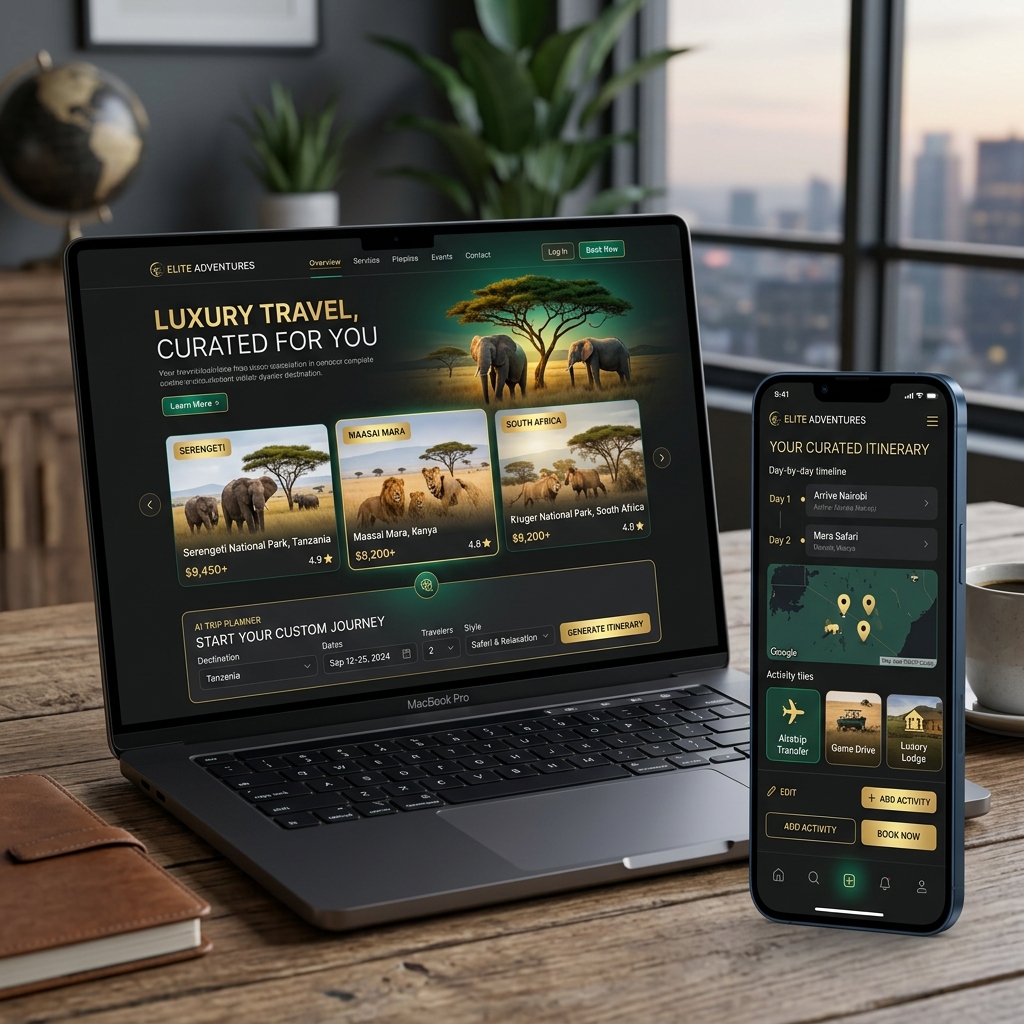
Critical Features Every 2026 Travel Website Must Have:
- Sub-Second Page Load Speed (Next.js Architecture): Mobile page speed directly correlates with booking abandonment. Platforms built with modern, serverless Next.js load in under 1 second worldwide, passing Google’s Core Web Vitals with flawless 95+ PageSpeed scores.
- Interactive Day-by-Day Itineraries: Break travel packages into visual timelines featuring interactive maps, meal inclusions, hotel ratings, and activity highlights.
- One-Click WhatsApp Integration: High-ticket travel is an assisted sale. Floating WhatsApp buttons configured with automated pre-filled inquiry messages (e.g., "Hi, I'm interested in the 7-Day Swiss Alps package for 4 adults") increase lead capture by 40% to 65%.
- Dynamic Price Quotation Calculator: Allow visitors to select traveler count, travel dates, and hotel tier (3-star, 4-star, boutique luxury) to generate instant estimated quotations.
- Decoupled Headless CMS: Update packages, seasonal pricing, black-out dates, and promotional banners without paying a developer for minor copy changes.
- Social Proof & Verification Badges: Prominently feature verified Google Business reviews, TripAdvisor Excellence badges, and real traveler video testimonials directly on package landing pages.
Need a Website That Converts Visitors into Direct Paying Clients?
Most websites fail to generate sales because they are slow and lack conversion funnels. Joy Digital builds custom, sub-second Next.js web applications with 95+ PageSpeed, built-in SEO, and frictionless 1-click WhatsApp lead captures.
2. Master Destination-First Travel SEO (Search Engine Optimization)
SEO for travel agencies is not about ranking for hyper-competitive vanity keywords like "best vacation". The secret to organic travel revenue lies in Destination Hub and Spoke Architecture targeting high-intent, long-tail commercial searches.
For example, high-value travelers don't search generically; they query:
- "Private 10-day Kenya and Tanzania safari package itinerary"
- "Best family tour operator for South Africa with kids 2026"
- "Customized honeymoon packages to Bali with private pool villa"
- "Budget-friendly 7-day Europe itinerary for senior citizens"
The High-Converting Travel SEO Framework:
[Destination Pillar Page] ➔ e.g., "Complete Travel Guide to South Africa 2026"
       │
       ├── [Transactional Package 1] ➔ "7-Day Kruger National Park Safari Tour"
       ├── [Transactional Package 2] ➔ "Cape Town & Garden Route Self-Drive Itinerary"
       ├── [Commercial Intent Blog] ➔ "Best Time of Year to Visit Cape Town for Whales"
       └── [Practical Guide] ➔ "South Africa Tourist Visa Requirements & Safety Tips"
Key Technical & Content SEO Actions:
- Schema Markup Implementation: Deploy
TouristTrip,Product,Offer, andFAQPagestructured data on every tour page. This helps Google display rich snippets—such as pricing, duration, ratings, and departure dates—directly in search engine results pages (SERPs). - Intent-Driven Meta Tags: Include price ranges, duration, and strong trust hooks in title tags (e.g., "10-Day Kenya Safari Packages 2026 | Custom Itineraries | Joy Digital").
- Local SEO for Regional Agencies: If you operate a physical agency or inbound DMC, optimize your Google Business Profile with location-specific categories, seasonal packages, customer photo uploads, and weekly localized updates via local SEO services.
3. Produce Search-Driven Destination Content That Pre-Sells
Travelers spend weeks researching before booking. They want authoritative answers on weather patterns, clothing checklists, visa requirements, tipping customs, and transportation.
Publishing deep, destination-focused guides positions your travel agency as the undisputed local authority before the traveler has even contacted a consultant.
High-ROI Content Pillars for Tour Operators:
- Seasonality & Timing Guides: "Best Month to Visit Kerala Backwaters: Weather, Houseboat Rates & Crowds"
- Cost Breakdown Articles: "How Much Does a 7-Day African Safari Actually Cost in 2026? (Budget vs Luxury)"
- Comparative Itineraries: "Switzerland vs Austria: Which European Holiday Is Best for Families?"
- Preparation & Packing Lists: "12 Essential Things to Pack Before Your First Serengeti Wildlife Safari"
📌 Conversion Anchor Rule: Every destination blog must feature clear callout cards linking directly to your matching tour packages with compelling micro-copy: "Prefer to have our local destination experts handle all hotels, private drivers, and permits? Request a Tailor-Made Itinerary Quote."
4. Leverage WhatsApp as Your High-Ticket Sales Engine
International holidays and custom tour packages range from $1,500 to $20,000+. Travelers rarely swipe a credit card on a checkout cart without asking clarifying questions about child discounts, flight adjustments, or visa processing.
WhatsApp Business is the most powerful conversational sales channel in modern travel marketing.
Visitor Lands on Tour Page
        │
Clicks "Chat on WhatsApp" (Pre-filled message with package ID)
        │
Instant Auto-Reply with Itinerary PDF + Consultant Introduction
        │
Interactive Consultation (Dates, Customizations, Budget)
        │
Direct Payment Link Shared ➔ Booking Confirmed (Zero OTA Fee!)
Pro Tips for WhatsApp Travel Sales:
- Pre-fill Inquiry Messages: Avoid blank chat prompts. Use URL encoding so the chat opens with:
"Hi, I am looking at the 8-Day Vietnam Highlights Tour and would like to customize it for my family." - Automated Quick Replies: Set instant automated answers for standard FAQs like passport validity, payment milestones, cancellation policies, and office operating hours.
- Send Polished PDF Itineraries: Convert website itineraries into sleek, branded PDFs branded with your agency logo, emergency contact details, and customer reviews.
5. Implement Trust Architecture: Turn Skepticism into Conversions
Travelers are naturally anxious when sending substantial deposits to agencies they discovered online. Your website must deliberately dismantle every layer of buyer friction.
Mandatory Trust Assets:
- Verified Reviews with Real Photos: Embed Google Customer Reviews directly into your site via API. Display real photos submitted by past travelers holding your agency banner or standing with your tour guides.
- Transparent Pricing & Inclusions/Exclusions: Never hide fees. Clearly distinguish what is included (breakfast, park entry fees, private AC vehicle) and what is excluded (international airfare, personal tips, travel insurance).
- Clear Cancellation & Refund Policies: Ambiguous cancellation clauses scare qualified travelers away. Display simple, plain-English refund timelines and flexible rescheduling terms.
- Agency Registrations & Industry Accreditations: Showcase official tourism ministry accreditations (e.g., IATA, ASTA, TAAI, KATO) and registered business identification numbers in your website footer.
6. Retain and Nurture Leads with Automated Email Journeys
Over 70% of visitors who research a trip on your website will not book on their first visit. If you fail to capture their details, that hard-earned traffic is lost forever.
By offering a high-value lead magnet—such as a "Free 2026 European Summer Travel Budget & Packing Checklist" or "Secret Namibia 10-Day Route Map"—you can capture email addresses and run automated nurturing campaigns:
- Email 1 (Immediate): Deliver the promised guide + introduce your agency's origin and customer guarantees.
- Email 2 (Day 3): Share an inspiring photo story and review from a family who recently completed that exact trip.
- Email 3 (Day 7): Provide practical planning advice (e.g., "The #1 mistake travelers make when booking flights to Johannesburg").
- Email 4 (Day 12): Offer an exclusive direct-booking incentive: "Book your 2026 trip directly with us this month and receive complimentary private airport transfers on arrival."
7. Track the Metrics That Actually Drive Revenue
Stop measuring vanity metrics like page impressions. Build a performance dashboard in Google Analytics 4 (GA4) and Google Search Console to monitor conversion events that directly fuel your sales pipeline:
- WhatsApp Click-Throughs: Tracking how many visitors initiate conversations on mobile.
- Lead Form Submissions: Monitoring custom itinerary request submissions per destination page.
- Itinerary PDF Downloads: Identifying which tour packages generate the highest offline consideration.
- Cost Per Acquisition (CPA): Comparing direct customer acquisition costs against the 20% commission fee charged by OTAs.
Frequently Asked Questions (FAQs)
Why is relying solely on OTAs like Booking.com and TripAdvisor dangerous in 2026?
Online Travel Agencies (OTAs) charge between 15% and 28% commission per booking while completely withholding guest email addresses and contact information. When you rely solely on OTAs, you don't own customer relationships, price wars destroy your profit margins, and algorithm changes can wipe out your business overnight.
How can a travel agency get more direct bookings through its website?
To drive direct bookings, travel agencies need a sub-second loading website, dedicated destination hub pages with long-tail SEO, transparent itineraries, frictionless one-click WhatsApp inquiry buttons, dynamic package builders, real customer video testimonials, and guaranteed best-rate direct booking incentives.
What are the most important SEO strategies for travel agencies in 2026?
Focus on cluster-based destination content, long-tail transactional keywords (e.g., "7-day Kenya safari package for families"), structured schema markup (TouristTrip, Product, FAQPage), Google Business Profile optimization for local excursions, and Core Web Vitals speed optimization to pass Google page experience signals.
How does WhatsApp integration improve travel agency conversions?
High-ticket travel packages are rarely purchased with an impulsive card swipe. Integrating direct WhatsApp chat on package pages reduces lead friction by over 60%, allowing consultants to share personalized PDF itineraries, answer visa questions, and close bookings in real-time.
How long does travel SEO take to deliver consistent booking inquiries?
Targeted destination SEO typically yields measurable organic ranking improvements within 90 to 120 days. Well-optimized, niche long-tail destination guides frequently begin generating qualified inbound inquiries within 6 to 8 weeks when backed by technical website performance.
Transform Your Travel Agency into a Direct Booking Powerhouse
Losing 20% to 25% of your hard-earned revenue to third-party booking platforms is not an inevitable cost of doing business. With an ultra-fast, search-optimized travel website development strategy, your agency can command top rankings on Google, establish direct traveler trust, and drive consistent, high-margin bookings year-round.
At Joy Digital, we design and build bespoke, revenue-generating digital platforms for tour operators, safari specialists, and luxury travel agencies worldwide.
👉 Claim Your Free 20-Point Travel Website & SEO Audit – Discover why your current website isn't converting traffic into bookings, identify keyword opportunities in your destination niche, and get a tailored direct booking growth roadmap. Or speak directly with our travel tech consultants today!
Recommended Services & Solutions
Frequently Asked Questions
Digital marketing strategist and Next.js web developer focusing on search optimization, high-converting digital funnels, and direct booking engines.